Dolby Vision 2 explained: what it means for your next TV
TV tech is moving super-fast. And Dolby's announcement of Dolby Vision 2 is definitely setting the pace. It's the next big thing in HDR (High Dynamic Range), promising us smarter, sharper and more adaptive picture quality. And it'll work across everything you watch or play, from blockbuster movies to multiplayer gaming sessions.
While you can't get your hands on TVs with Dolby Vision 2 just yet, this guide will cover everything you need to know in the build-up to launch. We'll explain exactly what it is, run through how it works and discuss why you'll want a piece of the action as soon as it releases. Right, let's get going…
What is Dolby Vision 2?
Dolby Vision 2 is the latest upgrade to Dolby's HDR tech. If you've ever watched a film in Dolby Vision – and if you haven't, you're missing out big time – then you'll already know about the deeper contrast, vivid colours and lifelike detail. Vision 2 takes all that and builds on it to make it even better. You could say it's twice as good…
It's powered by a new Dolby Image Engine that uses AI to fine-tune your picture based on what you're watching and where you're watching it. Whether it's a dark drama or a sunny sports match, Dolby Vision 2 adapts its settings in real-time. So, you won't have to spend ages digging through menus to make the image on screen look good for different content. All of that is handled for you.

How Dolby Vision 2 works
At the centre of Dolby Vision 2 is something called dynamic metadata. This means that your TV doesn't just apply one set of settings to a whole film. Instead, it adjusts brightness, contrast and colour scene-by-scene for the best possible picture.
It also uses AI to analyse the space you're in. Watching in a bright room on a summer afternoon? Vision 2 will bump up the clarity. Settling in for a family movie night? It'll preserve those important details without making things too dim. Basically, you'll have an image that always looks just right.
Dolby Vision vs Dolby Vision 2: what's new?
So, what's changed since last time round? Well, Dolby Vision 2 improves on the original with:
- Higher peak brightness and deeper colour depth.
- Bi-directional tone mapping, which helps creators and TV brands work together for a better-looking picture.
- Precision Black makes dark scenes clearer without losing any of the mood. So, those horror flicks are still just as creepy!
- Light Sense adjusts the picture based on your room's lighting. You won't be constantly up and down shutting or opening the curtains here.
All of these upgrades add more accurate colours, better contrast and a viewing experience that's way more immersive than before.
Dolby Vision 2 vs HDR10+
HDR10+ is another HDR format that's mainly found on Samsung TVs. It's good, but Dolby Vision 2 is definitely smarter. And we're not just saying that…
- Dolby Vision 2 supports up to 12-bit colour (that's over 68 billion colours in all!)
- HDR10+ sticks to 10-bit colour (around 1 billion colours). That's a whole lot less in comparison.
- Dolby Vision 2 uses dynamic metadata and AI. HDR10+ doesn't go quite as far.
Plus, Dolby Vision 2 is set for support across more streaming platforms and devices – though it's worth saying that Samsung TVs currently don't support it. That could easily change in the future though.

Why Dolby Vision 2 matters for the future of TV
Whether you're a huge sports fan, film buff or gamer, Dolby Vision 2 has been designed to make every kind of content look better…
- Authentic Motion reduces judder, making fast scenes like car chases seem smoother.
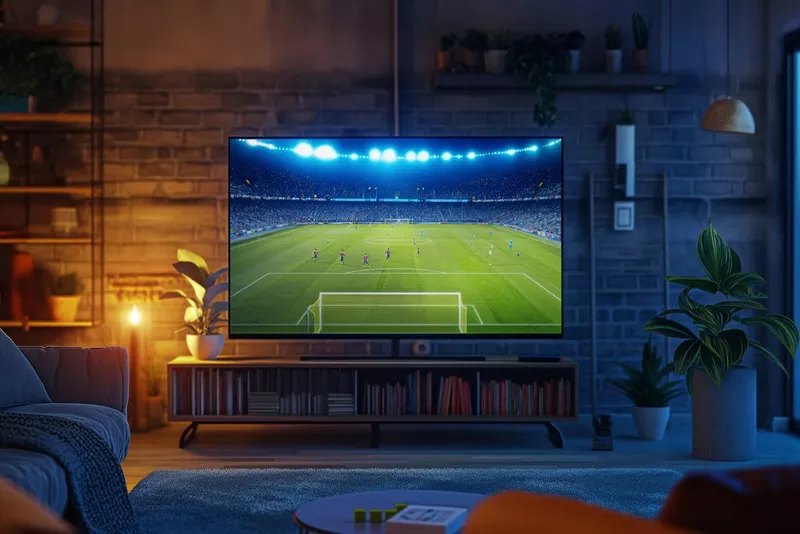
- Sports look sharper, with better contrast and clarity between players' kits and the pitch.
- Games feel more immersive, with improved motion and colour accuracy. Spiderman's suit has never looked this red.
Streaming platforms like Netflix, Apple TV+ and Prime Video are expected to support Dolby Vision 2. While current-gen consoles like the Xbox Series X and Series S are already Dolby-Vision ready – letting you experience these epic new visuals sooner rather than later.
Dolby Vision 2 for streaming
Streaming services won't be redoing all of their content to suit the new tech. That's because Dolby Vision 2 will upgrade existing Dolby Vision shows and films with brand-new metadata. And that'll make them look better than you remember on compatible TVs.
Dolby Vision 2 for gaming
It's set to be a game-changer for console players too…
- 120Hz refresh rates – This makes for zippy response times and smoother motion, perfect for high-octane racing, shooters and sports titles.
- Variable Refresh Rate (VRR) – Reduces screen tearing and stuttering by syncing the TV's refresh rate with the game's frame rate. And that creates a more fluid, immersive experience.
- Auto Low Latency Mode (ALLM) – Automatically swaps your telly to its lowest latency settings whenever you boot up your console. So, you get quicker reactions and better control without fiddling around in the settings.
Throw in better motion clarity and white point accuracy, and it's perfect for fast and furious action games.

TVs with Dolby Vision 2: what to expect
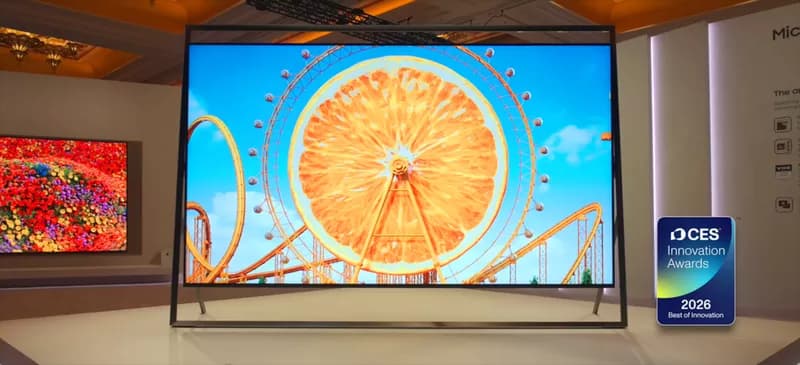
Like we mentioned earlier, you can't get a Dolby Vision 2 TV here at Electriz at the moment. But they're expected to arrive in 2026 – so there's not long to wait at all. Hisense have been the first big brand to announce their support, especially in its RGB Mini LED models. But we're expecting the other popular TV names to quickly follow too.
On Dolby Vision 2's release, there will be two different tiers:
- Dolby Vision 2 – for high quality HDR.
- Dolby Vision 2 Max – for ultra-premium TVs with extreme brightness and colour precision.
OLED vs QLED vs Mini LED: which panels will support Dolby Vision 2?
Here's what we know so far about which screens are set for Dolby Vision 2:
- OLED TVs – Perfect blacks and pixel-level contrast. Likely to support Dolby Vision 2 Max.
- QLED TVs – Bright and colourful, but slightly less precise. May support standard Dolby Vision 2.
- Mini LED TVs – Great brightness and local dimming. Premium models will support Dolby Vision 2.
- RGB Mini LED – Proper next-gen TV tech. Hisense plan to use this to get the most out of Dolby Vision 2 Max.
Should you wait for a Dolby Vision 2 TV?
If it sounds like something that tickles your fancy, there's not long until Dolby Vision 2 hits our screens sometime next year. If you're after an upgrade on the swift side though, there are still plenty of equally great 4K HDR TVs you can grab right now. Make sure to check out our TV buying guide for some help choosing the right one.

Best alternatives available now
Best HDR TVs for movies:
- Sony Bravia 8 II QD-OLED – Stunning colour and cinematic picture quality.
- Panasonic Z95B OLED – Deep blacks and rich detail add way more realism.
Best HDR TVs for sports:
- Samsung S95F OLED – Bright and smooth, ideal for end-to-end matches.
- Sony Bravia 9 Mini LED – Crisp motion teams up nicely with vibrant colours.
Best HDR TVs for gaming:
- LG C5 OLED – Lightning-fast response time and vivid visuals.
- LG G5 OLED – Designed for extra immersive gameplay.
Our final thoughts: is Dolby Vision 2 the future of home entertainment?
It's fair to say that Dolby Vision 2 is a big leap forward in TV technology. It's smarter, sharper and more adaptive than anything that's come before. And it's not an overstatement to say that it'll literally be transforming the way you like to watch in the next few years. Personally, we can't wait!

Need more advice?
Dolby aren't just taking the visuals up a notch. They're leading the way when it comes to audio too. Check out our piece what is Dolby Atmos and why do I need it? for the full rundown on their super sound.
Then, in the battle of the TV tech, we've pitted two leading screen types against each other. With Mini LEDs vs OLED TVs: which should you buy in 2025? there can only be one winner.